I miss those days when photos were limited in a film camera.
One film roll with 30-35 photos.
One album for dedicated occasion such as birthday, traveling or event.
I was mindful with my photography.
Life was simple.
Retaining photos were efficient.
Managing photos didn’t take much time and money.
Recalling memories was easy.
But the way we take photos changed after the birth of digital cameras, smart phones and cheap memory cards.
The meaning lost its value because we can capture one moment hundred times.
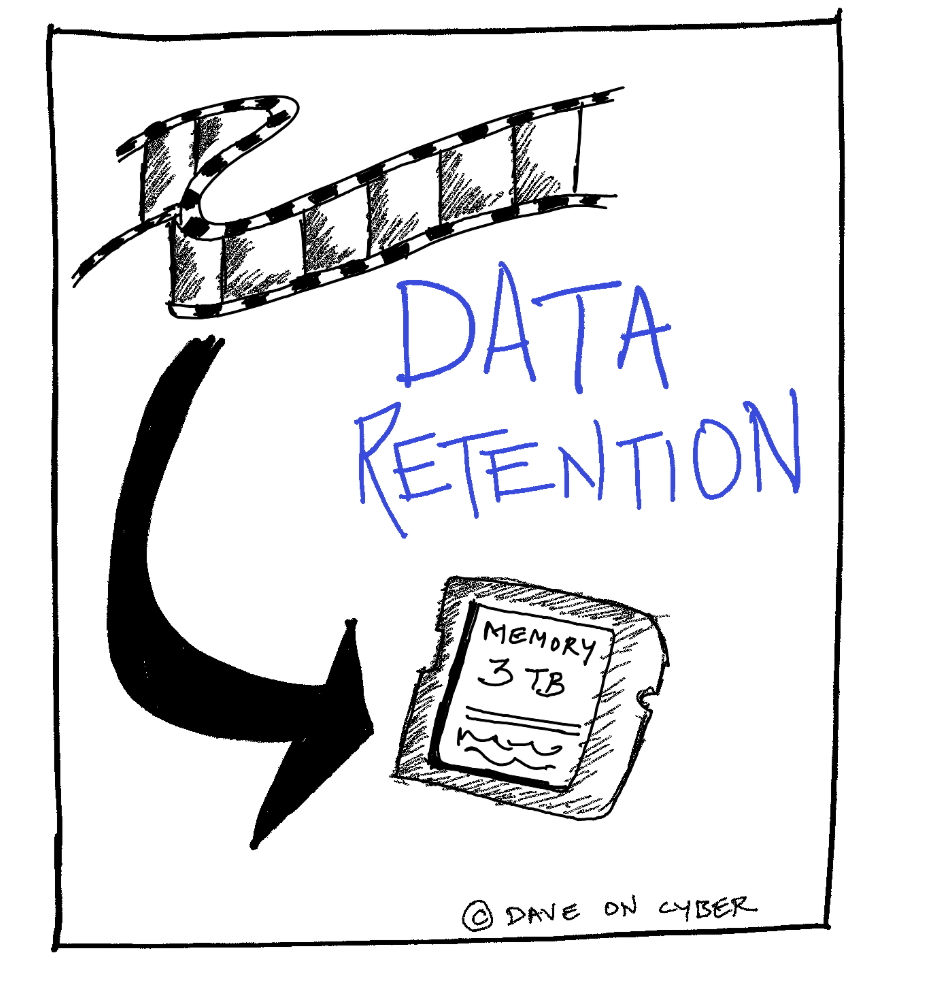
Same thing happened with data.
The way data is captured changed after pandemic.
The challenge is what not to capture before we consider what we want to capture.
It costs for more for storage and amplifies data risk.
I never thought that one day I’d be paying for storage.
Now I’m paying for multiple cloud providers.
It’s necessary devil.
Why do organizations retain data?
For audit, logging & monitoring, data analysis, to comply for regulatory purpose or may be for forensic investigation.
Data retention policy is not limited about how much you can capture, but how efficiently you can manage, and above all, how can you retrieve when you really need it.
Three things are important.
1. What to capture: Be specific. Only capture what’s required and aligns with business justification.
2. How long to capture: Consider timeline.
3. Think e-discovery: Incorporate tagging, indexing and classification for data so it’s easy to retrieve when you need it.
An efficient retention policy is about being deliberate on what to retain, how long to retain and how to access when need it.
You can learn more about data retention from CISSP As An Art Domain 2 Course.